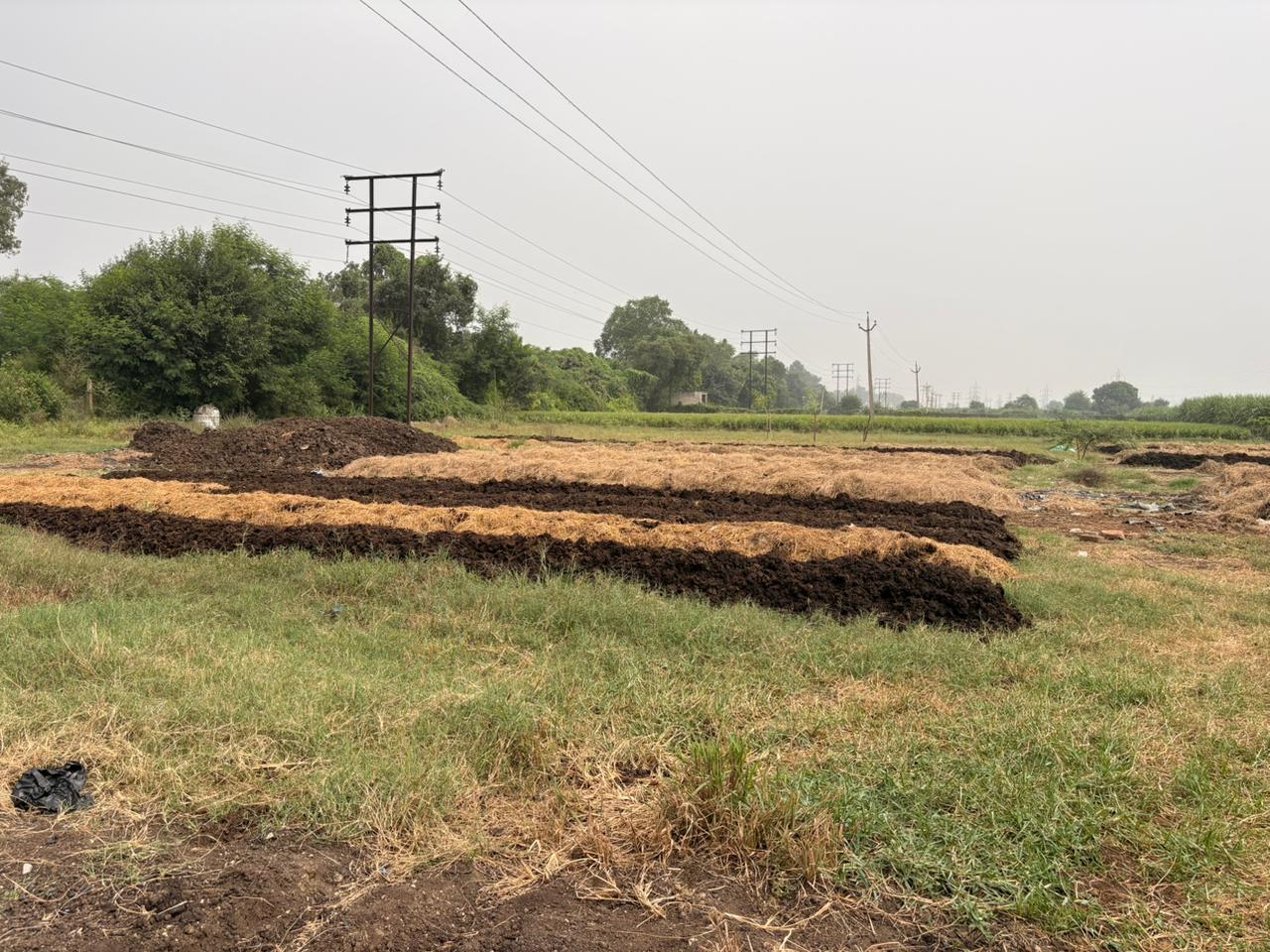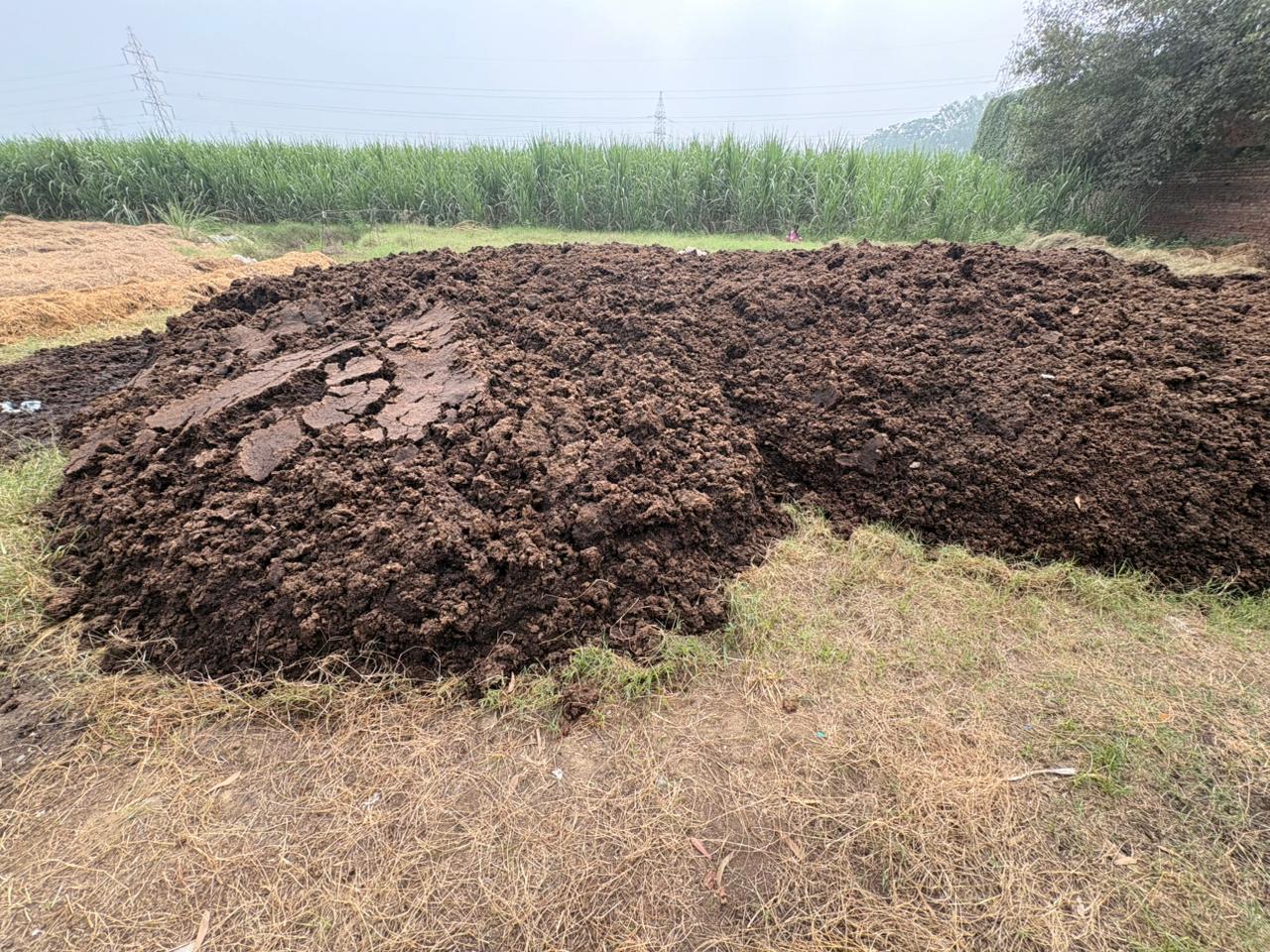
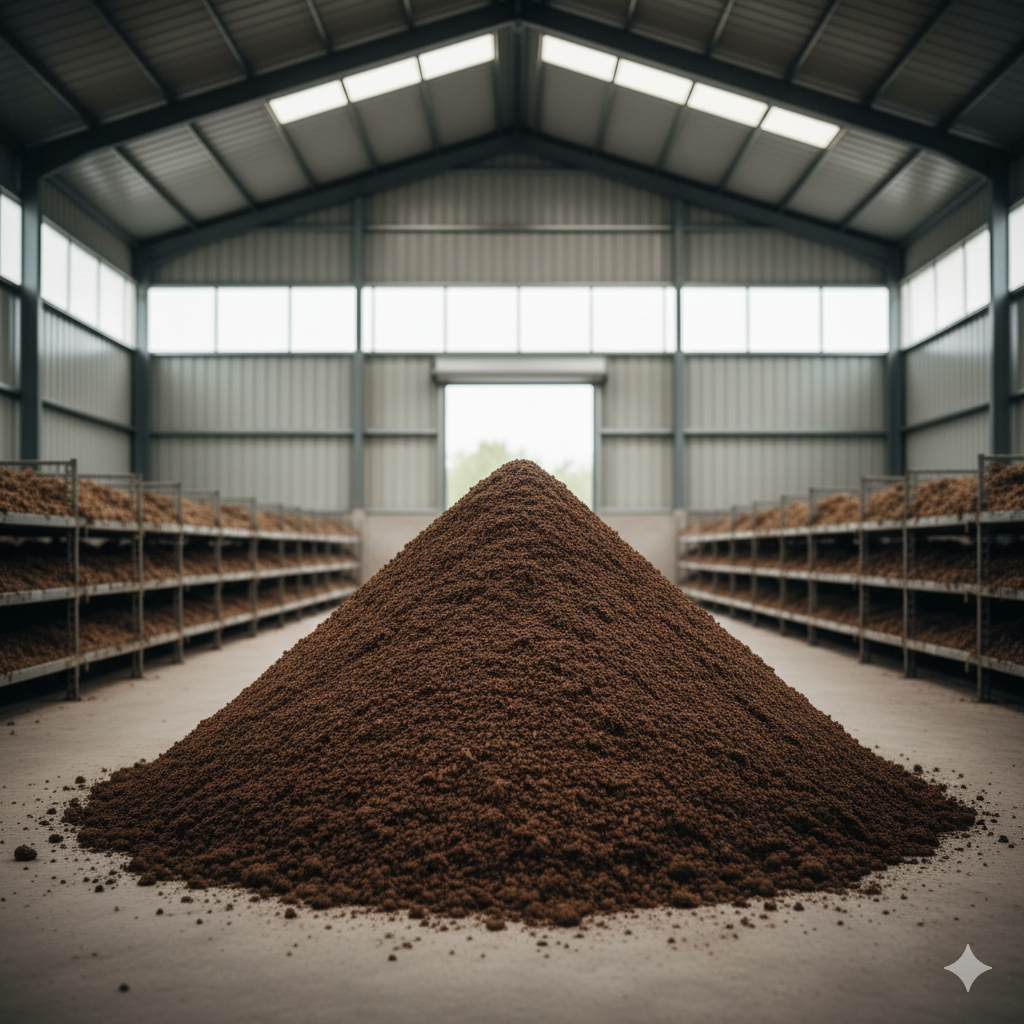
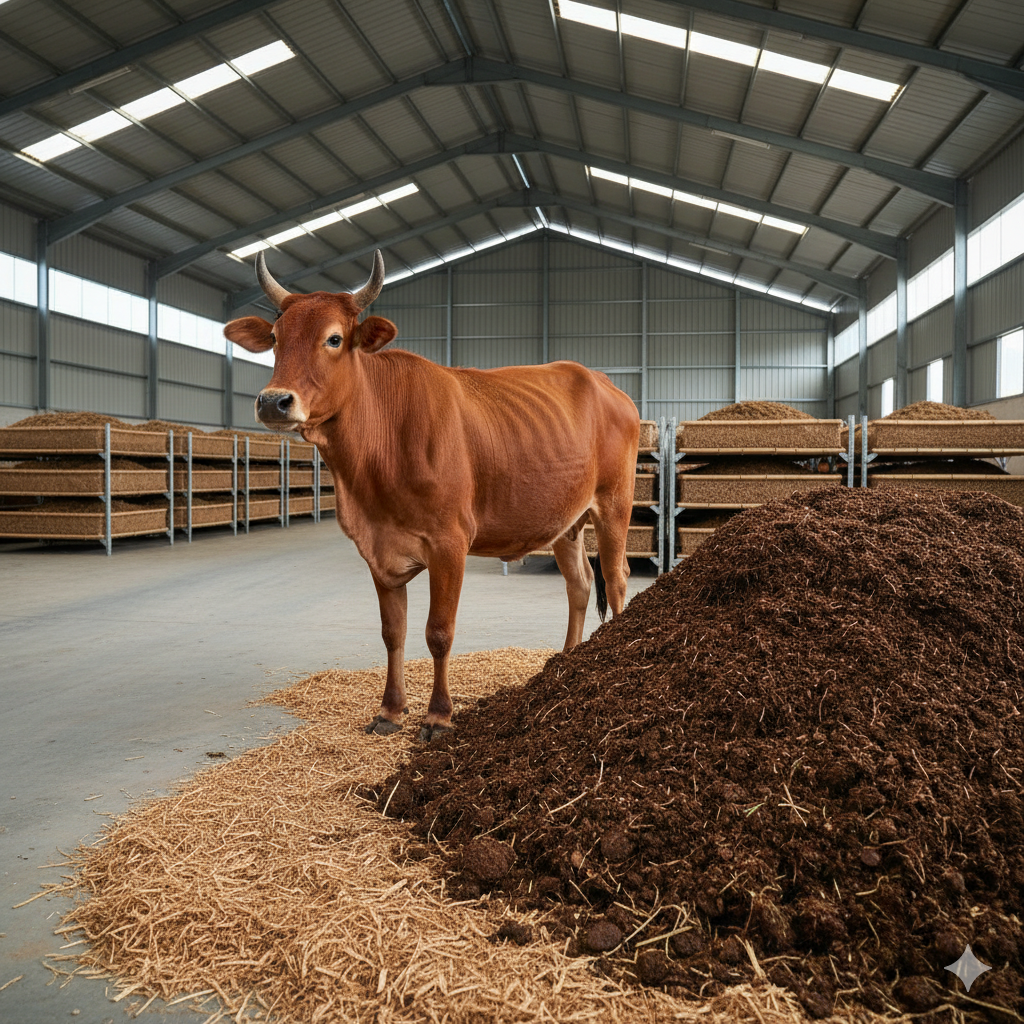
Long-term soil fertility doesn’t come from quick chemical boosts—it develops slowly through natural processes, and organic manure plays the most important role in this journey. When organic manure is added to soil, it begins to break down gradually, releasing nutrients in a steady, controlled manner. This slow decomposition enriches the soil with humus, a dark, nutrient-dense material that improves texture, aeration, and moisture balance.
Over time, humus binds soil particles together, preventing erosion and making the soil more resilient to harsh weather conditions. It also increases the soil’s capacity to store nutrients so they remain available for plants throughout the growing season.
Organic manure encourages earthworms and beneficial microorganisms to multiply, and these organisms further improve soil structure by creating channels that allow air and water to move freely.
The result is long-lasting soil fertility—land that becomes richer, healthier, and more productive year after year. Whether used in farms, orchards, nurseries, or home gardens, organic manure ensures sustainable growth and consistent yields without harming the environment.